

The 86th season of racing at Del Mar begins this Friday, July 18, and the seaside track north of San Diego, Calif., will be in the international horse racing spotlight this fall when for the fourth time and second year in a row it plays host to the Breeders’ Cup championship races on Oct. 31-Nov. 1.
The 31-day meet, which runs through Sept. 7, will offer overnight purses of about $15.7 million – an 8 percent increase from 2024 – and features 38 stakes races valued at $7,825,000.
The most noticable change at the upcoming summer meeting will be in the announcer’s booth, with Larry Collmus succeeding Trevor Denman, the popular South African native who announced his retirement earlier this year after calling all but one summer meet at Del Mar since 1984. It was Collmus, the longtime voice of the Breeders’ Cup, who pinch hit for Denman in that one year, 2020, when he also began calling the fall race meet.
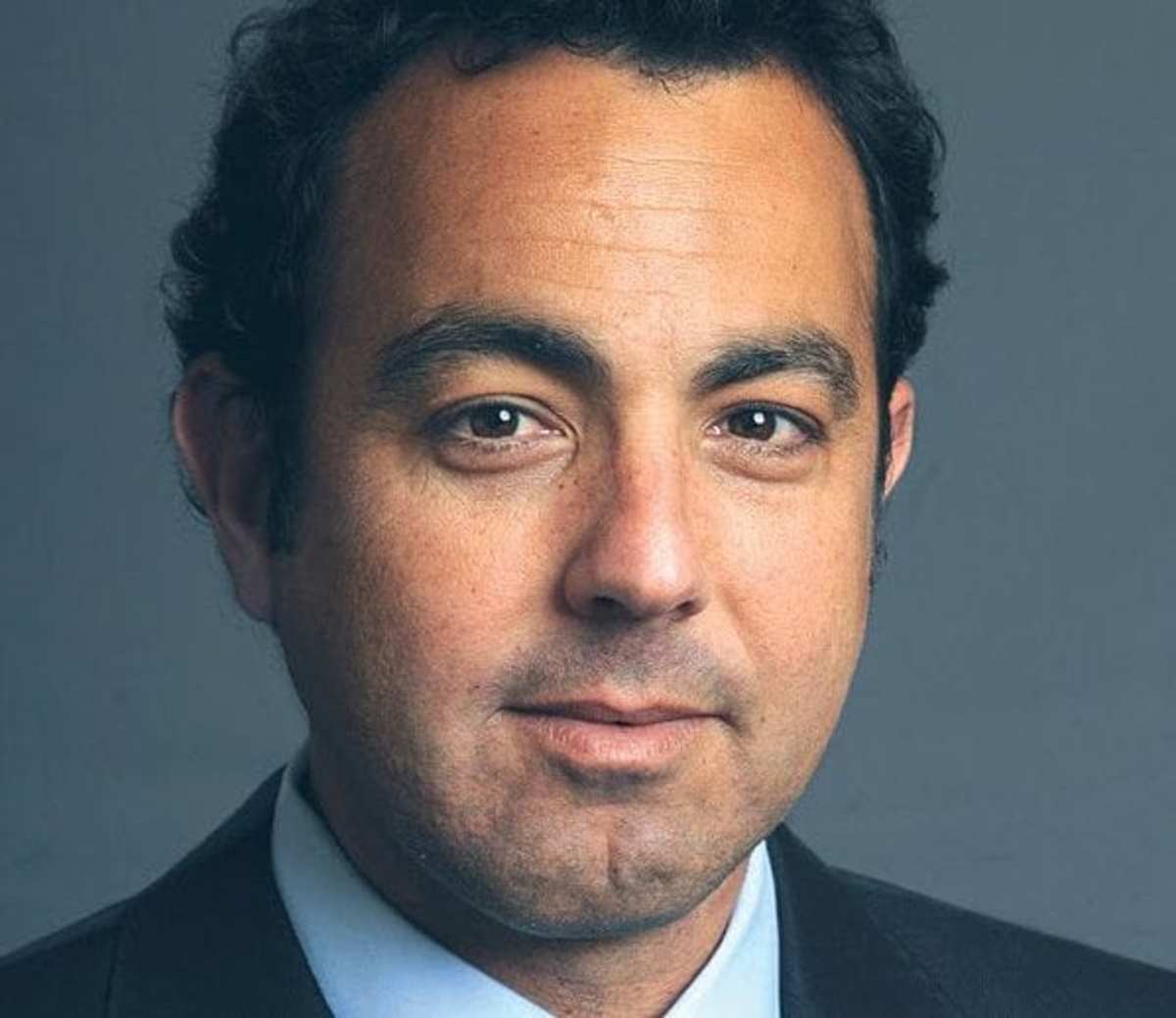
One of the many constants at the track is Josh Rubinstein, who has served in an executive position for the Del Mar Thoroughbred Club since 1997 and was named president of the organization in 2018. A native New Yorker, Rubinstein moved with his family to San Diego at age 11, graduated from San Diego State University after working summers at Del Mar, then was employed by ABC Sports for several years before returning to Del Mar on a full-time basis.
Rubinstein was interviewed by Paulick Report publisher Ray Paulick.
What is your level of optimism going into Del Mar’s summer meet?
Josh Rubinstein: The start of the summer meeting is always exciting for us and it’s hard not to be optimistic. The barn area is filling up and we expect to be at full capacity of around 1,900 horses. Owners and trainers are enthusiastic about racing here. As we’ve seen at Santa Anita, the single-circuit has been a real positive for field size, purse generation and wagering. In addition, we increased the purse and shipping incentives for our well-established “Ship and Win” program which continues to supplement the horse population – not just at Del Mar but also at Santa Anita and Los Alamitos – throughout the year.
Some special events and promotions were dropped because of COVID, including concerts and giveaways. Has there been any thought to bringing some of those marketing programs back to generate higher attendance? Is attendance no longer an important metric?
Attendance is, of course, always important but it’s just one of several metrics. Our concert program had a very successful run and, while we’re not closing the door on offering shows moving forward, music talent fees and production costs skyrocketed after COVID and we were essentially priced out of the market. But Del Mar has always prioritized getting people who might not otherwise have an interest in racing, or have just a limited interest, to sample the facility and enjoy the experience that makes Del Mar so special. That priority continues today under the direction of Erin Bailey, our VP of Marketing. Erin and her team are very focused on social and digital media efforts designed to get people out to the track, with significant resources allocated to our highly successful influencers program.
Will there be any changes or enhancements to the physical plant?
While they may not jump off the page at first glance, we did a significant amount of flooring and painting work during the off-season, including improvements to the jockey’s room.
The Del Mar Thoroughbred Club is essentially a tenant that leases the track from the state, or the 22nd District Agricultural Association (DAA). What’s the process for acquiring funds needed for capital improvements – things like new display boards or repairing the stables?
Like most racetracks, at over 300 acres Del Mar is a huge facility. Where Del Mar is different is that, unlike most racetracks, this facility has a multitude of events in the off season, such as the San Diego Couty Fair and horse shows, that put wear and tear on the facility, especially in the stable area. So, in collaboration with the 22nd DAA significant funding gets allocated each year for repairs and maintenance. We have a very positive relationship with the 22nd DAA and I believe their Board has never been more supportive of DMTC and horse racing. This spring, I accompanied two of their Directors – Lisa Barkett and Mark Arabo who comprise of the DMTC Liaison Committee – to Keeneland to see that facility, especially the paddock renovation and the Red Mile HHR property. They were both extremely impressed and are very supportive of finding waysto allocate funding for capital improvement projects at Del Mar.
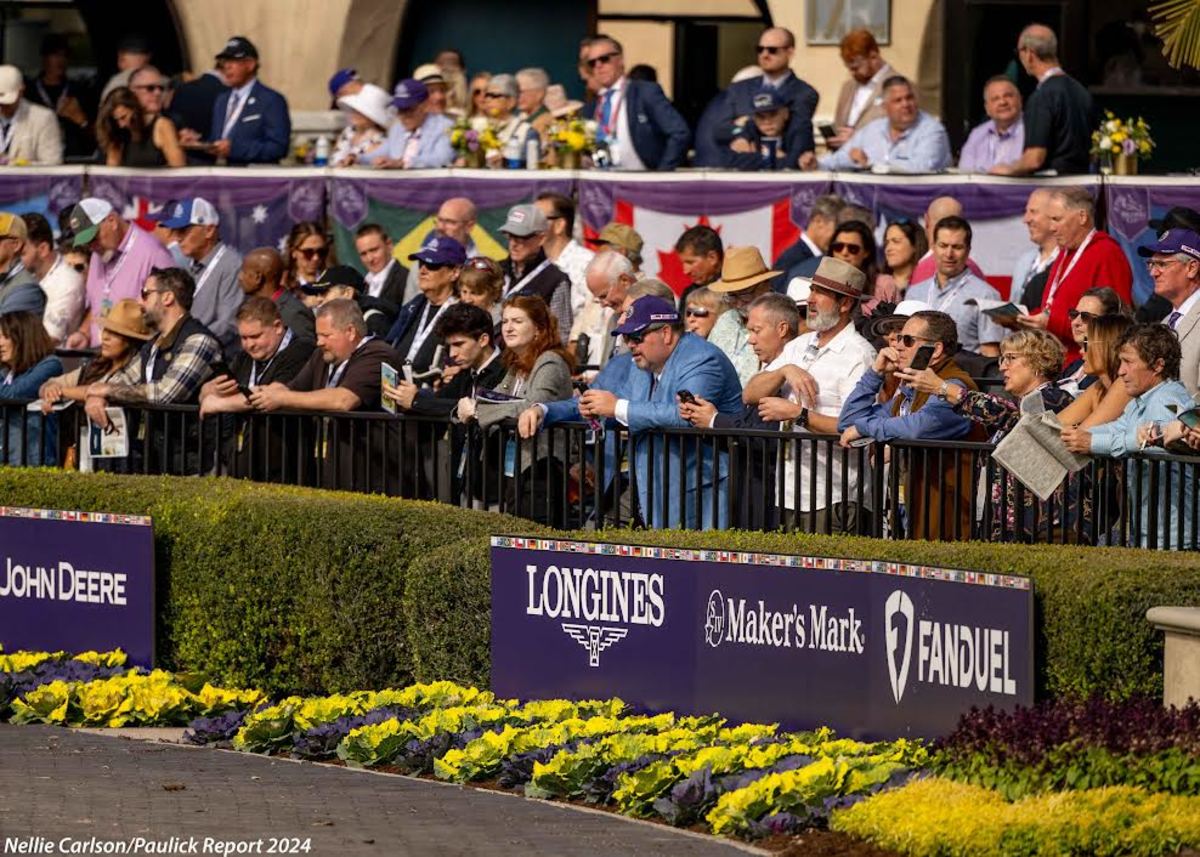
This fall Del Mar will be hosting the Breeders’ Cup for the fourth time and in back-to-back years. Now that Belmont is being rebuilt, Keeneland is doing extensive renovations, and Churchill Downs proves each year how well it handles big events, do you believe Del Mar will remain in the regular rotation as host?
While host-site selection ultimately rests with the Breeders’ Cup, I believe our track record makes a strong case for Del Mar to continue to be considered as a future host site. In addition to recording two of the highest handle days in Breeders’ Cup history, post-event research ranked the 2024 event at Del Mar as delivering the highest level of fan satisfaction in the event’s history. Del Mar is a very appealing destination for the people who travel to the event – both participants and fans – and coupled with the strong support the event gets from the local community. Del Mar has been a wonderful choice for the Breeders’ Cup each time they’ve chosen us as the host site. We’ve gotten positive feedback on our racing surfaces both for safety and fairness. In addition to record handle and substantial participation from international horsemen and horsewomen, you can always count on the weather. This will be our fourth year hosting the World Championships and I feel we’ve gotten better on all levels each year. The Breeders’ Cup and Del Mar teams work very well together and we’re looking forward to another stellar event this fall.
Computer assisted wagering (CAW) is a polarizing development in recent years. What can be done to satisfy the concerns of retail horseplayers without chasing away the significant handle the CAW operations generate?
This is a complicated topic and, for sure, there needs to be a fair balance between professional and recreational players. We continue to take steps to try to find that sweet spot. It is not unreasonable for the highest volume players to expect some consideration on the rates that they are paying in exchange for the volume of their wagers, especially if they are going to guarantee their wagering levels, which contribute to a significant portion of our purse funding. We have added measures to reduce the late odds fluctuations that are frustrating to bettors. And, at the request of the TOC (Thoroughbred Owners of California), we have further modified our pricing policies for this year. This will significantly reduce the volume of CAW handle in our pools for the upcoming meet. So, while we should get some benefit in the handle from having a single circuit, we could see eight-figure reductions in wagering due to increased CAW rates.