Year of the Horse: Powering California’s Economy, Culture, and Future
As we celebrate the Year of the Horse in 2026, there’s no better time to recognize the profound role horses play across California. Long regarded as symbols of strength, freedom, and partnership, horses continue to shape our state in ways that extend far beyond. Horses are a driving force behind industries that fuel our economy, shape our culture, and support a sustainable future.
The California Horse Power Coalition is dedicated to protecting this legacy and to preserve and protect California’s vibrant equestrian culture while educating communities about the industry’s far-reaching impact.
The Economic Power Behind the Horse
Horses are a powerful economic driver in California, contributing an estimated $11.6 billion annually to the state’s economy, supporting over 132,000 jobs across a wide range of professions, from trainers and veterinarians to farm workers and event staff. This figure reflects a vast and interconnected network of industries that rely on equine activity from breeding and training to equipment manufacturing, feed production, transportation, and event management.
The economic impact doesn’t stop there. The equine industry generates ripple effects across countless sectors. Hotels, restaurants, retail stores, and service providers all benefit from the flow of visitors attending competitions, shows, races, and recreational events. Equine-related tourism alone contributes billions of dollars each year, supporting local economies in both rural and urban regions.
Small businesses, in particular, benefit greatly. Family-owned barns, tack shops, feed suppliers, and veterinary practices form the backbone of the industry, creating resilient economic hubs in communities across the state. In many areas, especially rural regions, horses are not just an asset—they are essential to economic sustainability.
Supporting Jobs, Families, and Communities
The equine industry is built on people, many of whom are part of multi-generational traditions rooted in horsemanship. Behind every horse is a network of individuals whose livelihoods, passions, and traditions are tied to equine care and activity. With over 93,000 Californians directly employed in the industry, horses provide stable careers and meaningful work.
The industry offers diverse career paths that range from highly specialized roles, like veterinarians and farriers, to positions in education, training, facility management, and event coordination. These are meaningful, hands-on careers that often span generations, passing knowledge and skills from one family member to the next.
Beyond employment, the industry fosters deep community engagement. Millions of Californians identify as horse enthusiasts, participating in everything from weekend trail rides to competitive events. Volunteerism is also a cornerstone of the equestrian world, with individuals dedicating time to youth programs, therapeutic riding centers, rescue organizations, and local events.
There is also a strong presence of young people in the industry. With 38% of participants in horse-related activities under the age of 18, the future of California’s horse community remains bright. These young riders and caretakers are not only learning horsemanship, they are developing responsibility, discipline, and a lifelong connection to animals and the outdoors.
Preserving Land and Advancing Sustainability
In a state where land use and environmental conservation are constant priorities, the horse industry plays an important role in protecting open space and supporting sustainable practices.
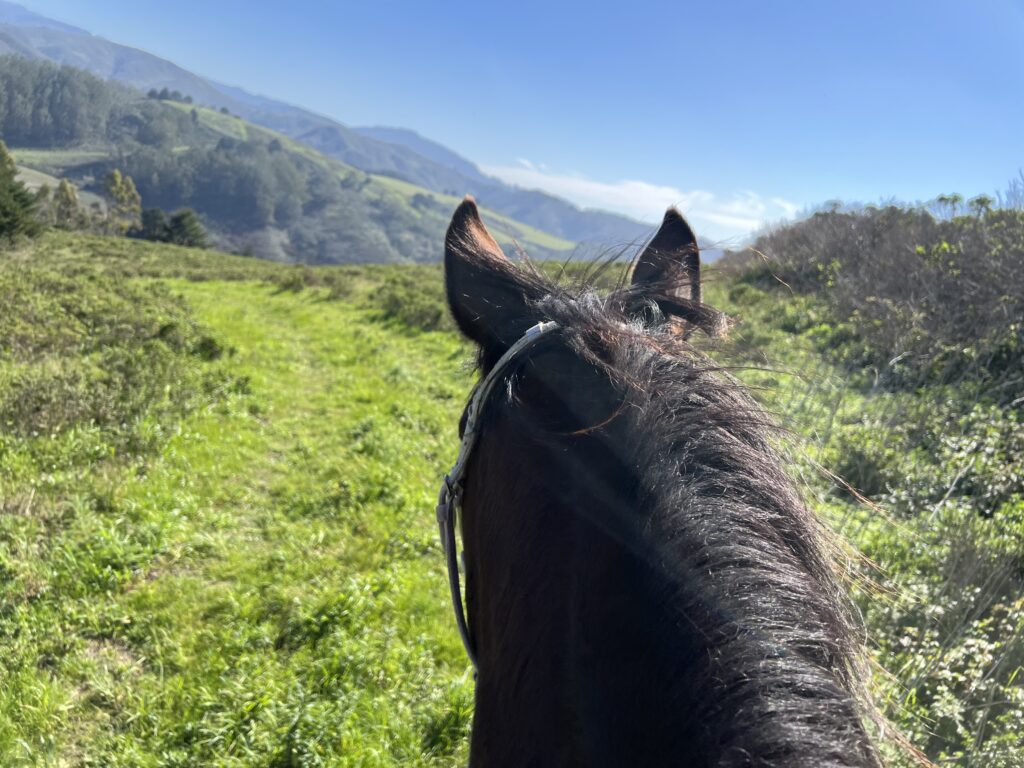
Hundreds of thousands of acres across California are dedicated to horse-related use, including ranches, boarding facilities, and trail systems. These spaces help preserve agricultural land and prevent overdevelopment, maintaining the natural landscapes that define much of the state’s character.
The equine industry also supports local agriculture by creating consistent demand for hay, grain, and other feed products grown by California farmers. This relationship strengthens regional agricultural economies and reduces reliance on imported resources.
Sustainability efforts within the industry continue to evolve as well. From manure management and composting programs to water conservation practices and eco-friendly facility design, horse owners and organizations are increasingly focused on minimizing environmental impact. Even materials like straw are repurposed and reused, reducing waste and contributing to a more circular system.
Additionally, recreational riding encourages the maintenance and expansion of public trail systems, giving Californians more opportunities to connect with nature while reinforcing the importance of conservation.
A Cultural Legacy That Connects Generations
Horses have long been woven into the cultural fabric of California, representing a unique blend of history, sport, and lifestyle. From the state’s ranching roots to modern-day equestrian competitions, horses continue to bring people together in meaningful ways.
Events such as rodeos, races, horse shows, and community exhibitions draw participants and spectators from all walks of life. These gatherings are more than entertainment, they are celebrations of tradition, skill, and shared passion.
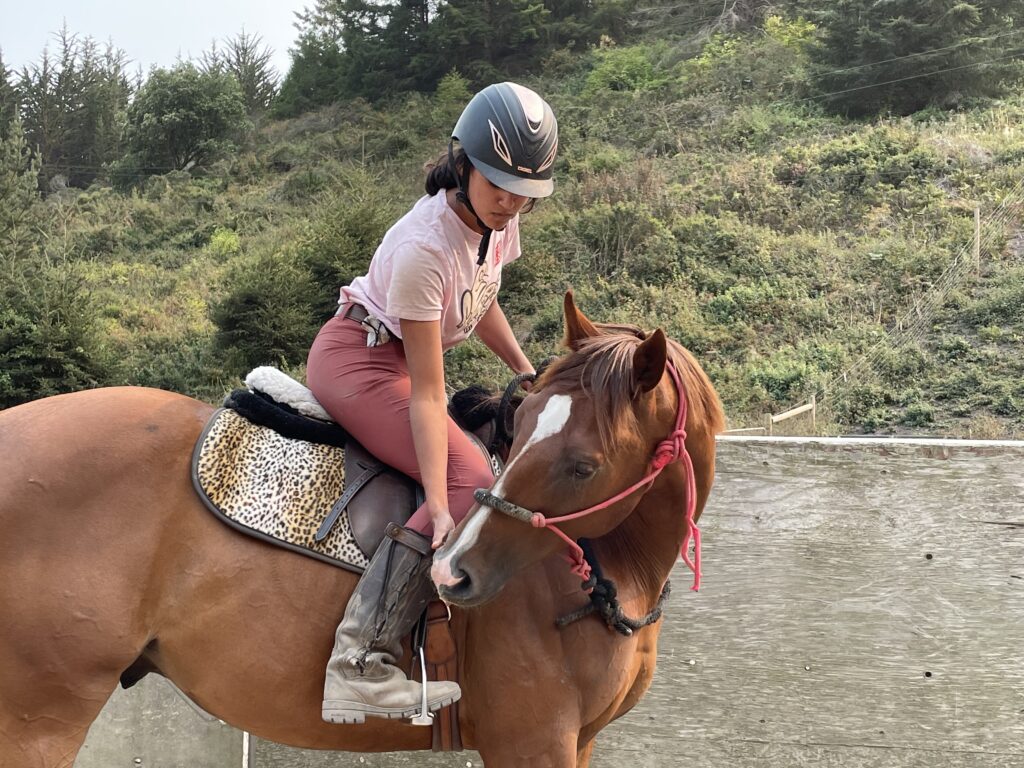
What makes California’s equestrian culture especially powerful is its diversity and accessibility. People of all ages, backgrounds, and experience levels can find a place within the horse community. Whether someone is a lifelong rider or experiencing horses for the first time, there is a sense of belonging that transcends barriers.
Horses also play an important role in education and personal development. Programs that introduce youth to horsemanship teach not only riding skills but also empathy, patience, and leadership. Therapeutic riding programs, in particular, highlight the profound emotional connection between humans and horses, offering healing and support for individuals facing physical or cognitive challenges.
Celebrate the Year of the Horse
The Year of the Horse is a celebration of strength, endurance, and connection, qualities that reflect the role horses play in California today. Whether you’re attending an event, riding a trail, supporting local equine businesses, or simply learning more, you’re participating in something much bigger, a movement that drives economic growth, strengthens communities, and preserves a timeless way of life.
Horses are a vital force in California’s present and a powerful driver of its future.